
NFPA 79 vs. UL 2011: Choosing the Right Electrical Safety Path for Industrial Machinery

12 May 2026
Understanding the Differences in Structure, Emphasis, and Ideal Use Cases
For decades, NFPA 79 has served as the cornerstone for electrical safety in U.S. industrial machinery. As automation, electronics, and advanced manufacturing technologies have evolved, manufacturers now have an additional compliance option: UL 2011. While both documents aim to establish clear, measurable criteria for electrical safety, they differ in structure, emphasis, and ideal use cases.
Understanding these differences is essential for machine builders, system integrators, and design engineers navigating certification, inspection, and market access. Selecting the right standard can influence everything from component selection and risk assessment to testing requirements and acceptance by Authorities Having Jurisdiction (AHJs).
So how do you decide which standard is right for your machinery?
Two Documents, Two Frameworks
One of the most important distinctions between NFPA 79 and UL 2011 lies in how the documents are developed and applied.
UL 2011 is currently an Outline of Investigation (OOI). OOIs are interim documents intended to address new or emerging technologies before a full consensus standard is established. UL 2011 is supported by a technical committee and includes input from external stakeholders, but it remains more prescriptive in nature. This makes it particularly useful when evaluating machinery with unique or evolving hazards.
NFPA 79, by contrast, is a longstanding, consensus-based standard that has been in place since 1962. Following a major rewrite in 2002 to align with IEC 60204‑1, NFPA 79 has continued to evolve while preserving important U.S. specific requirements. Its stability and international alignment make it especially attractive for manufacturers familiar with IEC standards or those exporting machinery globally.
Both documents are commonly used for listings, limited production certifications, and field evaluations.
Scope, Application, and Legal Considerations
At a high level, NFPA 79 and UL 2011 share a similar scope. Both address electrical safety risks, such as fire and electric shock, for industrial machinery rated at 1000 volts or less. Both can be applied across a wide range of equipment types.
However, application nuances matter. NFPA 79 has been legally adopted in several U.S. states, including Alabama, Kentucky, Delaware, and Illinois. In those jurisdictions, compliance is not optional, it is a legal requirement.
It is also important to recognize where product specific standards apply. When standards such as UL 775 (Graphics Arts Equipment) or UL 987 (Stationary and Fixed Electric Tools) exist, they typically take precedence. NFPA 79 and UL 2011 are most often used when no product specific standard applies.
Risk Assessment and Functional Safety: A Shared Foundation
Modern machinery increasingly relies on programmable control systems and complex automation, making risk assessment and functional safety central to compliance.
Both NFPA 79 and UL 2011 require manufacturers to perform a structured risk assessment that includes:
- Identifying foreseeable hazards
- Estimating severity, exposure, and avoidance
- Implementing risk reduction measures
- Documenting decisions and residual risks
When hazards require safety related control functions, such as emergency stops, guard monitoring, or safe torque off, manufacturers must ensure those functions perform reliably under both normal and fault conditions.
Construction Requirements: Common Ground with Different Emphasis
Both standards establish foundational construction requirements designed to ensure safe machinery design. These include expectations for:
- Certified and properly rated components
- Enclosures and environmental protection
- Disconnecting means and isolation
- Wiring practices and conductor selection
- Control systems and operator interfaces
- Motors, drives, and auxiliary equipment
- Markings and technical documentation
Where they differ is in depth and focus.
UL 2011 includes detailed, technology specific requirements for machinery with specialized hazards, such as:
- Laser based equipment
- Pressure bearing systems
- Powder handling and additive manufacturing machines
- Semiconductor manufacturing equipment
- Machinery for hazardous locations
NFPA 79, on the other hand, provides extensive explanatory material in Annex A, offering valuable guidance on interpretation and application. This makes it particularly useful during early design stages or when engineering judgment is required.
Testing Requirements: Verifying Compliance
Both standards require core verification testing, including ground bond, insulation resistance, dielectric withstand, and emergency stop verification.
UL 2011 goes further by introducing additional testing requirements, such as:
- Temperature testing to address fire risk and user contact limits
- Leakage current testing for cord connected equipment
- Component breakdown testing when solid state devices are relied upon for safety
These added tests help address scenarios where component level certification alone may not fully evaluate the intended application.
Making the Right Choice
Both NFPA 79 and UL 2011 provide credible, widely accepted pathways for demonstrating electrical safety in industrial machinery. The most effective choice depends on several factors, including:
- The type of machinery and technologies involved
- The presence of specialized or emerging hazards
- Certification and market access goals
- Expectations of customers and AHJs
NFPA 79 offers stability, flexibility, and strong alignment with international practices. UL 2011 delivers clarity and prescriptive guidance for advanced or specialized machinery categories.
Manufacturers who understand both standards and apply them strategically are best positioned to achieve efficient certification, regulatory acceptance, and long-term equipment reliability.

You may be interested in...
Industrial Machinery: Comparing NFPA 79 and UL 2011 | White Paper
Get help comparing NFPA 79 and UL 2011 for Industrial Machinery with this complimentary white paper detailing how each standard approaches component selection, construction requirements, testing, and functional safety related controls.
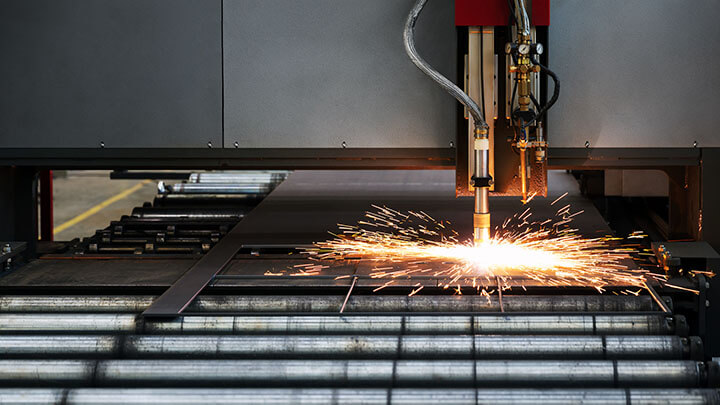
Industrial Equipment Testing and Certification
Timely and efficient solutions for Industrial Equipment, Machinery, and Tools to some of the world’s most extensive conformity requirements, with added complexity as automation and robotics become integral to operations.