
Hurricane Testing Goes Beyond Wind Pressure
14 Aug 2026
What Manufacturers Should Know About Debris Impact, Pressure Cycling, and Product Approval
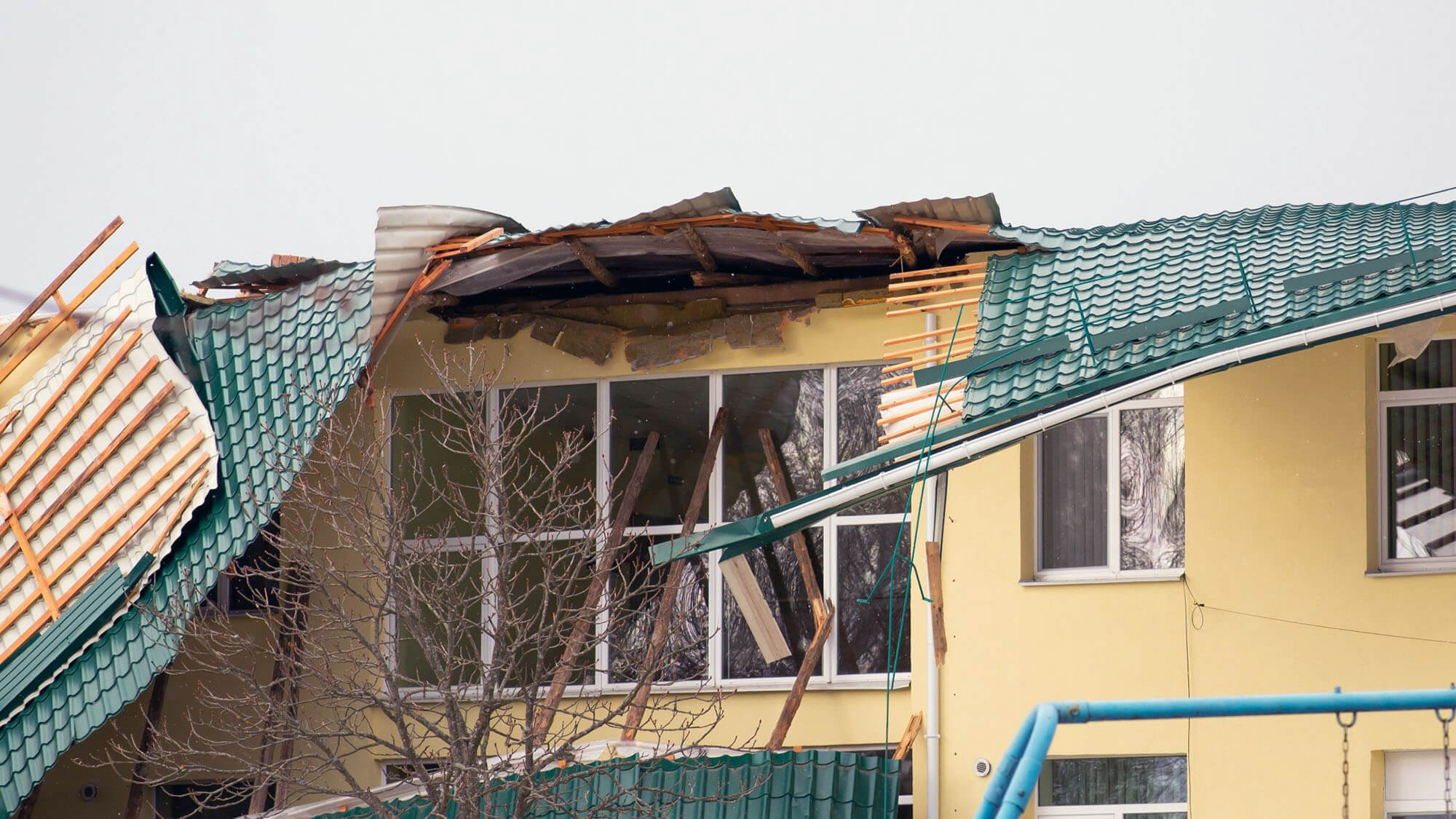
When hurricane-resistant glazing is discussed, wind pressure usually gets much of the attention. For windows, doors, curtain walls and other exterior building products, however, windborne debris can create the first major challenge.
During a hurricane, pieces of building materials and other objects can become projectiles. If debris compromises a window, door or another part of the building envelope, the system still has to contend with the changing wind pressures that follow.
That sequence is why hurricane testing can involve more than a static-pressure test. Depending on the product and approval being pursued, manufacturers may need to consider impact resistance, cyclic loading, air and water infiltration, structural loading and other applicable requirements.
Impact Comes Before Cycling
Impact testing evaluates how an exterior building product responds when struck by windborne debris.
Common methods include TAS 201, ASTM E1886 and ASTM E1996 for products such as exterior windows, curtain walls, doors and impact-protective systems. The missile used and applicable impact requirements depend on the test method, product location, wind zone and required level of protection.
For example, TAS 201 large-missile testing can use a 9-pound 2-by-4 traveling at 50 feet per second, while ASTM E1996 establishes different missile levels based on the applicable exposure.
The evaluation considers how the complete system performs after impact, not simply whether the glass cracks.
The Test Does Not End with Impact
An impacted specimen may then be subjected to cyclic wind-pressure loading.
TAS 203 and ASTM E1886/E1996 procedures subject impacted units to thousands of positive and negative pressure cycles, representing repeated pressure changes rather than one constant load.
Damage that begins during impact may become more significant during cycling. Potential failure modes can include deglazing, tearing of glazing materials, fracture of frame components or fastener failure. Testing may also measure how much the system deflects under pressure and whether any deformation remains afterward.
A product that has already been struck by debris may still need to withstand substantial pressure changes afterward.
Hurricane Performance Involves Several Tests
Missile impact may be the most recognizable hurricane test, but hurricane performance involves several types of testing.
Depending on the product and applicable requirements, testing may include:
- Air infiltration
- Water infiltration
- Uniform static structural loading
- Forced-entry resistance
- Missile impact
- Wind-load cycling
Relevant methods include ASTM E283 and ASTM E331 for air and water testing, ASTM E330 for structural loading, and TAS and ASTM methods for hurricane-related impact and cycling.
Where the Product Will be Sold Matters
Hurricane-related requirements are not identical from one market to another.
Manufacturers may encounter requirements tied to the International Building Code, International Residential Code, ASCE 7, Florida Building Code, Miami-Dade Notice of Acceptance and Texas Department of Insurance.
That makes the intended market an important consideration before testing begins. If the approval goal is not clear, a manufacturer could complete testing and later find that additional work is needed for the market it intends to enter.
Testing Is Only Part of the Approval Process
A successful laboratory test is an important step, but product approval may require more.
The process can include testing by an accredited laboratory, test reports, engineering and submittal documentation, review by an approval or certification body and ongoing quality audits.
When approval is being pursued for a family of products, manufacturers should identify the sizes, glass types, framing configurations, hardware, installation methods and markets they want the approval to cover before specimens are built. Planning these variables early can help determine which configurations need to be tested and how the results may support the intended product range.
The test units also need to represent the product that will ultimately be fabricated and installed. Quality control remains part of the process after testing, as fabrication and installation can affect hurricane performance.
Think In Terms of the Complete System
Hurricane performance does not come from the glass alone.
Frames, glazing materials, anchors, fasteners, hardware and installation all contribute to how a fenestration or building-envelope system responds to impact and pressure.
That makes the tested configuration important. Results apply to the product or assembly that was evaluated and to the scope supported by the applicable test and approval process.
From Test Plan to Product Approval
Intertek works with manufacturers across the hurricane-testing and approval process, including air, water and structural evaluations, missile-impact testing and cyclic-pressure testing. Its glass and glazing capabilities include ASTM E1886/E1996 and regional protocols such as TAS 201, TAS 202 and TAS 203, along with technical support for approval submissions.
Connecting the testing strategy to the intended product range and market early can help clarify what needs to be tested, what the results cover and what documentation may be needed for approval.

You may be interested in...
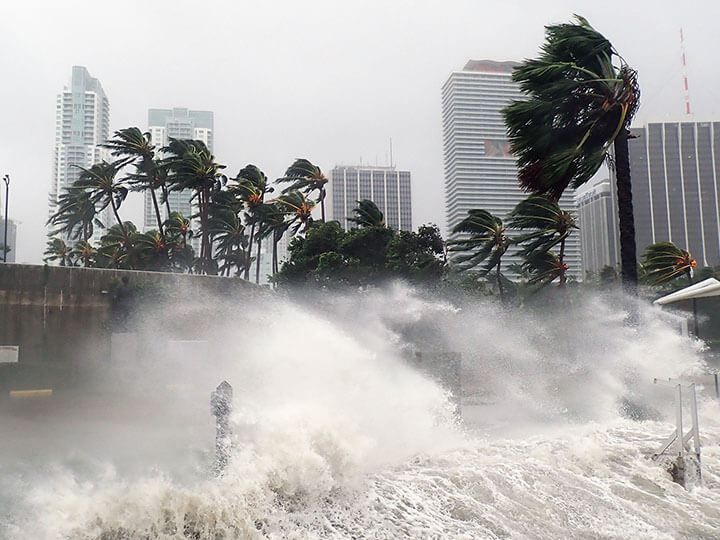
Hurricane Resistant Building Materials Testing & Standards
Intertek is a leader in Hurricane Resistant Building Materials Testing and Certification because of our expertise on hurricane testing standards and our testing labs.