
A Smarter Strategy for Medical Device Components

12 Oct 2026
Early Component Decisions Can Reduce Compliance Risks, Resting Delays, and Supply Chain Disruptions
Medical device manufacturers make countless decisions during product development, but component selection can have consequences far beyond the design itself. The components inside a device can affect its safety, performance, certification pathway, market access and long-term availability.
Component decisions should be part of the compliance strategy from the beginning, not addressed only when a product is ready for testing.
Start with the Intended Markets
One of the first questions manufacturers should ask is where the finished device will be sold. A component that supports compliance in one market may not provide the documentation or approvals needed in another.
Even when countries use harmonized or closely aligned standards, national and regional requirements can differ. Component selection may also depend on the intended certification pathway, such as certification from a Nationally Recognized Testing Laboratory (NRTL) in North America or use of the IECEE CB Scheme to support international market access.
Selecting components with a broad range of relevant approvals can create a clearer path to finished-product certification. It reduces the risk of completing a design only to discover that an important component does not support one of the manufacturer’s target markets.
Understand what the Component Must Do
Two components may appear interchangeable based on voltage, power or other headline ratings, but that does not mean they will perform identically within the finished device. Physical dimensions, temperature ratings, insulation characteristics, materials and operating limitations can all affect suitability.
Manufacturers therefore need a detailed understanding of the performance required from each critical component. This is important when selecting the original part and when identifying alternate sources. A technically similar replacement may still require evaluation or testing if it differs in a way that affects compliance. Any initial savings can disappear if the substitution adds engineering work, testing or certification delays.
Recognized Components can Reduce the Burden
A major consideration is whether to use a recognized or appropriately certified component instead of an unlisted or unrecognized part.
When a recognized component is used within the scope of its certification, the component manufacturer maintains responsibility for controlling its construction and addressing applicable surveillance requirements. The end-product manufacturer can use the component’s certification information during the finished-device evaluation, subject to any stated conditions.
The situation changes when an unrecognized component is selected. The end-product manufacturer may assume much more responsibility for demonstrating that the component remains compliant. This is especially difficult when the manufacturer does not control the component’s design or have full visibility into supplier changes.
Depending on the component, ongoing requirements may include visual inspections, dimensional checks, temperature measurements or other testing. The component may also need to be resubmitted periodically for evaluation. These obligations can create an ongoing burden for the end-product manufacturer.
Critical Components are not Always Obvious
Power supplies and transformers are commonly recognized as critical components, but a finished product’s critical component list can extend much further.
Switches, controllers, and sensors may be critical when they contribute to safe operation or essential performance. Lower-voltage components can also matter if they are part of a circuit, protection system or function that affects compliance with the end-product standard.
Materials deserve similar attention. Plastics, resins and electrical insulation materials can influence flammability, insulation and other safety characteristics. Two polymeric materials that appear similar may not have undergone the same evaluations or carry the same recognized ratings.
The central question is whether a component or material can affect the finished device’s conformity with the applicable standard. If it can, its specifications, approvals and use within the product may need to be documented and controlled. In a device containing hundreds of components, even a small number of unrecognized parts can create substantial testing and administrative responsibilities.
Review the Conditions of Acceptability
A recognized component is generally evaluated as an incomplete part intended to be incorporated into another product. Its certification may therefore include conditions of acceptability describing how it can be used safely.
These conditions may address accessibility to live parts, operating temperature, electrical ratings, required spacing or the need for the finished product to provide a fire enclosure. They may also identify installation restrictions or additional evaluations that must be completed during end-product certification.
A component cannot be considered suitable solely because its basic electrical ratings match the design. Engineers need to review its conditions of acceptability and confirm that the final application satisfies them.
This becomes particularly important when qualifying alternate components. Two power supplies with the same output rating may have different conditions of acceptability. One cannot automatically replace the other without reviewing how each was evaluated and what the finished device must provide.
Consider the Full Cost
Component decisions are often influenced by unit price, but purchase price tells only part of the story. Manufacturers should also consider testing expenses, certification costs, surveillance requirements, engineering time, and potential effects on the product launch.
An unrecognized component that costs less per unit may require repeated evaluation as part of finished-product certification. It can also create additional work when used in a second-generation product or across several device models.
If a manufacturer has designed a proprietary component, obtaining component recognition may provide long-term savings. Once evaluated, the component may be more readily incorporated into multiple products, provided each application complies with its ratings and conditions of acceptability.
Manufacturers using a supplier’s unrecognized component can also ask the supplier to pursue recognition. The supplier is usually better positioned to control the design, document changes and manage the component’s continuing certification.
Qualify Alternate Sources Early
Second sourcing is one of the most effective ways to protect a medical device program from supply chain disruptions. The best time to qualify alternate components is during the original design and certification process.
Waiting until a primary component becomes unavailable can place the manufacturer under significant pressure. A replacement may need to be reviewed, tested and added to the certification documentation before production can continue under the applicable certification mark.
Manufacturers that identify acceptable alternates at the beginning have greater flexibility. If a supplier cannot deliver, the company may already have an approved replacement available, helping it maintain production without compromising compliance.
Make Component Planning Part of Compliance
Component-related problems are easier to resolve before the design is finalized. Early consultation with a testing, inspection, and certification provider can help manufacturers understand applicable requirements, evaluate prospective components, and prepare for their intended markets.
A strong component strategy begins with understanding what each critical component must do, which approvals it needs, and how it will be controlled throughout the product’s lifetime. Investing that time upfront can reduce testing complications, shorten certification cycles, and create a more resilient path to market.

You may be interested in...
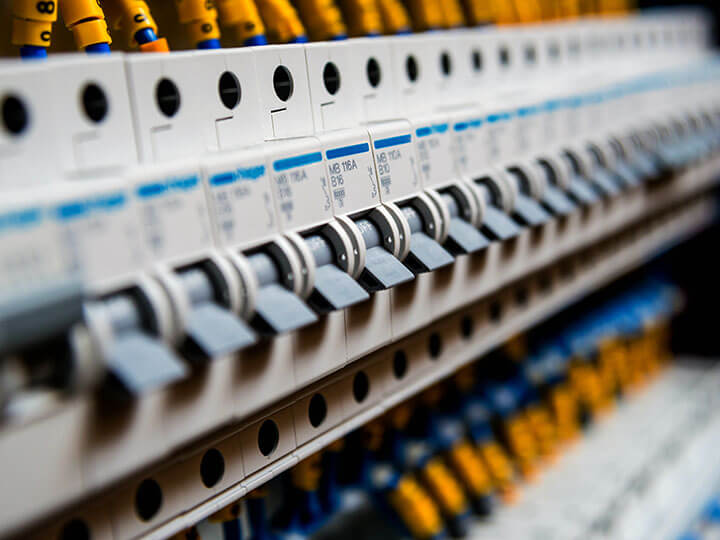
ETL Recognized Component Certification
Intertek offers ETL Recognized Component Certification solutions which focus on the building blocks that make equipment safe, functional, and compliant.
ETL Recognized Components Certification | Fact Sheet
Intertek’s ETL Recognized Component certification program helps manufacturers validate electrical, thermal, and mechanical safety early in the design process and launch new products to market faster. Download our fact sheet to learn more.