Standard Guide for Property Resilience Assessments
What is ASTM E3429-24?
ASTM E3429-24 is a standard guide developed to support Property Resilience Assessments (PRAs), helping property owners, architects, engineers, and insurers identify potential hazards and implement resilience strategies. By following this guide, users can evaluate risks from natural hazards, including hurricanes, floods, wildfires, and earthquakes, and develop proactive measures to strengthen buildings against these threats and improve their ability to recover from disasters.
This voluntary guide provides a structured framework for resilience planning, equipping professionals with the tools to assess risks and protect commercial and residential properties. As one of the most comprehensive property resilience standards available today, ASTM E3429-24 serves as the foundation for modern building risk assessment practices. This standard aligns with industry-leading disaster preparedness guidelines, ensuring that properties meet both current safety requirements and future climate challenges.
How ASTM E3429-24 Fits Within Property Resilience Standards
ASTM E3429-24 represents a significant advancement in property resilience standards, addressing gaps in traditional building codes and risk assessment methodologies. Unlike conventional standards that focus primarily on structural integrity, this guide integrates comprehensive building risk assessment protocols that consider multiple hazard scenarios and recovery timelines.
Understanding ASTM E3429-24: The Property Resilience Assessment (PRA) Process
The PRA outlined in ASTM E3429-24 consists of three key stages:
-
Hazard Identification
The first step is identifying natural hazards that could impact a property. This includes:- Extreme weather events – hurricanes, heavy rainfall, drought, and heatwaves
- Geological risks – earthquakes, landslides, and land subsidence
- Water-related hazards – flooding, storm surges, and coastal erosion
- Fire risks – wildfires, blown embers, and smoke infiltration
Public data sources like FEMA flood maps, seismic risk assessments, and climate models are commonly used in this stage to determine hazard exposure, as well as proprietary resources with greater granularity and specificity of hazard data.
-
Risk Evaluation
Once hazards are identified, the next step is to assess the specific vulnerabilities of a building or site. This includes evaluating:- Structural integrity and material resilience
- Building design and geographic location
- Potential damage and expected recovery time
- Occupant safety and accessibility considerations
- Dependency on local infrastructure (utilities, transportation, emergency services)
-
Resilience Measures & Recommendations
Based on the hazard identification and risk evaluation, the final stage of the PRA process focuses on mitigation strategies, which may include:- Structural reinforcements – upgrading materials for improved durability
- Flood prevention systems – installing water barriers and improved drainage
- Fire-resistant design features – using non-combustible materials
- Backup power solutions – integrating renewable energy and battery storage
- Operational preparedness – developing emergency response plans
Why ASTM E3429-24 Matters
Adopting the ASTM E3429-24 standard provides significant benefits, including:
Risk Mitigation & Safety
By proactively identifying potential vulnerabilities, property owners and developers can take preventive measures to reduce structural damage, improve occupant safety, and minimize operational downtime.
Regulatory Compliance
As governments and industries move toward stricter resilience requirements, ASTM E3429-24 provides a framework for compliance with evolving building codes, insurance requirements, climate-related financial risk disclosures, and disaster preparedness guidelines.
Insurance & Financial Advantages
Buildings that follow resilience best practices are increasingly favored by insurers, leading to lower premiums and greater insurability. Additionally, well-maintained properties with strong resilience ratings tend to retain higher market value and are more attractive to lenders and investors.
Alignment with Industry Standards
ASTM E3429-24 bridges the gap between traditional property resilience standards and modern risk assessment needs. The guide provides standardized building risk assessment criteria that insurance companies, architects, and property managers can rely on for consistent evaluation across different markets and jurisdictions.
Who Should Use ASTM E3429-24?
ASTM E3429-24 is relevant to several key industries, including:
- Architects & Engineers – Designing new structures and retrofits to meet modern resilience standards
- Building Owners & Developers – Reducing risk and enhancing property longevity
- Insurance & Risk Management Professionals – Assessing property risks and developing tailored coverage solutions
How Intertek Can Help
Intertek offers PRAs to help clients navigate ASTM E3429-24 compliance. Our services include:
Comprehensive Property Resilience Evaluations
Intertek provides thorough risk assessments to help property owners identify hazard vulnerabilities and develop custom resilience strategies.
Consulting on Resilience Strategies
Our experts offer strategic guidance on implementing practical, cost-effective resilience solutions for structural improvements, material upgrades, and risk mitigation planning.
Compliance & Certification Support
We help organizations understand and meet ASTM E3429-24 requirements, ensuring that buildings adhere to industry-leading safety and resilience standards.
Training & Education
Intertek offers custom training programs to educate teams on best practices in hazard assessment, emergency planning, and resilience-focused design.
Comprehensive Building Risk Assessment Services
Intertek's experts apply ASTM E3429-24 alongside other recognized property resilience
ASTM E3429-24 - Frequently Asked Questions (FAQs)
ASTM E3429-24 is an industry guide that provides a structured approach for conducting PRAs. It helps identify natural hazard risks and recommends strategies for improving resilience.
This standard is essential for architects, building owners, developers, lenders, investors, and insurance professionals who need a reliable method for assessing building resilience.
Unlike structural building codes, which focus on design requirements, ASTM E3429-24 provides a comprehensive framework for assessing and improving property resilience based on site-specific hazard risks.
Intertek offers comprehensive resilience assessments, consulting services, compliance support, and training programs to help stakeholders implement ASTM E3429-24 successfully.
ASTM E3429-24 works in conjunction with existing disaster preparedness guidelines from federal and local agencies. While FEMA provides community-level planning frameworks and building codes address structural requirements, this standard fills the critical gap in comprehensive property-level risk assessment. The guide helps translate broad disaster preparedness guidelines into specific, actionable property resilience strategies that complement existing emergency management protocols.
Ensure Your Property is Resilient – Contact Intertek Today!
Intertek’s experts can help you assess risks, implement resilience strategies, and ensure compliance with ASTM E3429-24. Contact us today to streamline your ASTM E3429-24 compliance process.
Related Links
You may be interested in...

Property Resilience Assessments (PRAs)
Safeguard your property investment against climate risks. Intertek's building resilience services include assessments, consulting, and expertise for new construction and existing buildings.
Property Condition Assessments (PCA)
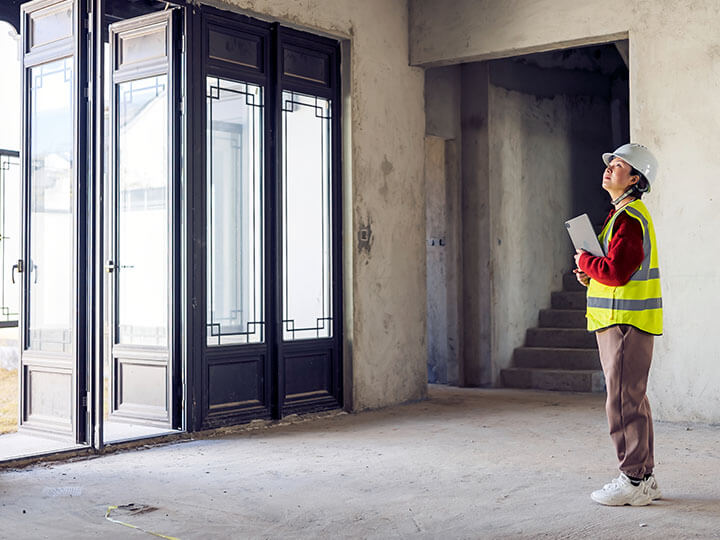
A Property Condition Assessment (PCA) is a walk-through survey of the physical condition of a property to help you identify potential problems with a property and estimate the cost of repairs, typically conducted as part of the due diligence process for commercial real estate transactions.
Knowledge Center
Building Health & Wellness: An Overview of Services
Acoustical Testing & Consulting Resources
Remote Pre Inspections for NFPA 80 / 101
Protek - Safety. Everywhere. Every Day
Fire Doors 101: Your Guide to Testing and Certification - Webinar Recording
Tornado Testing & Certification Requirements - Webinar Recording
Plumbing Products Testing & Certification - Webinar Recording
The Evolving Code Evaluation Process White Paper
Proposition 65 & the Furniture Industry Webinar Recording
Why Planning for FCC Certification is Key to Success in the Door Hardware Industry White Paper
Upcoming Tradeshows & Events
Resources
Disclaimer: The information on this page is for informational purposes only. For the most up-to-date and accurate requirements, refer to the official ASTM E3429-24 standard or reach out to Intertek for expert guidance.